
Mindfulness Yoga vs. Traditional Yoga: Key Differences


Understanding Mindfulness Yoga
Mindfulness yoga is a modern adaptation that integrates traditional yoga practices with mindfulness techniques. The primary focus is on cultivating awareness in the present moment. Practitioners engage in yoga poses while paying close attention to their thoughts, emotions, and bodily sensations. This approach is often used for stress reduction and enhancing mental clarity.
The Role of Meditation
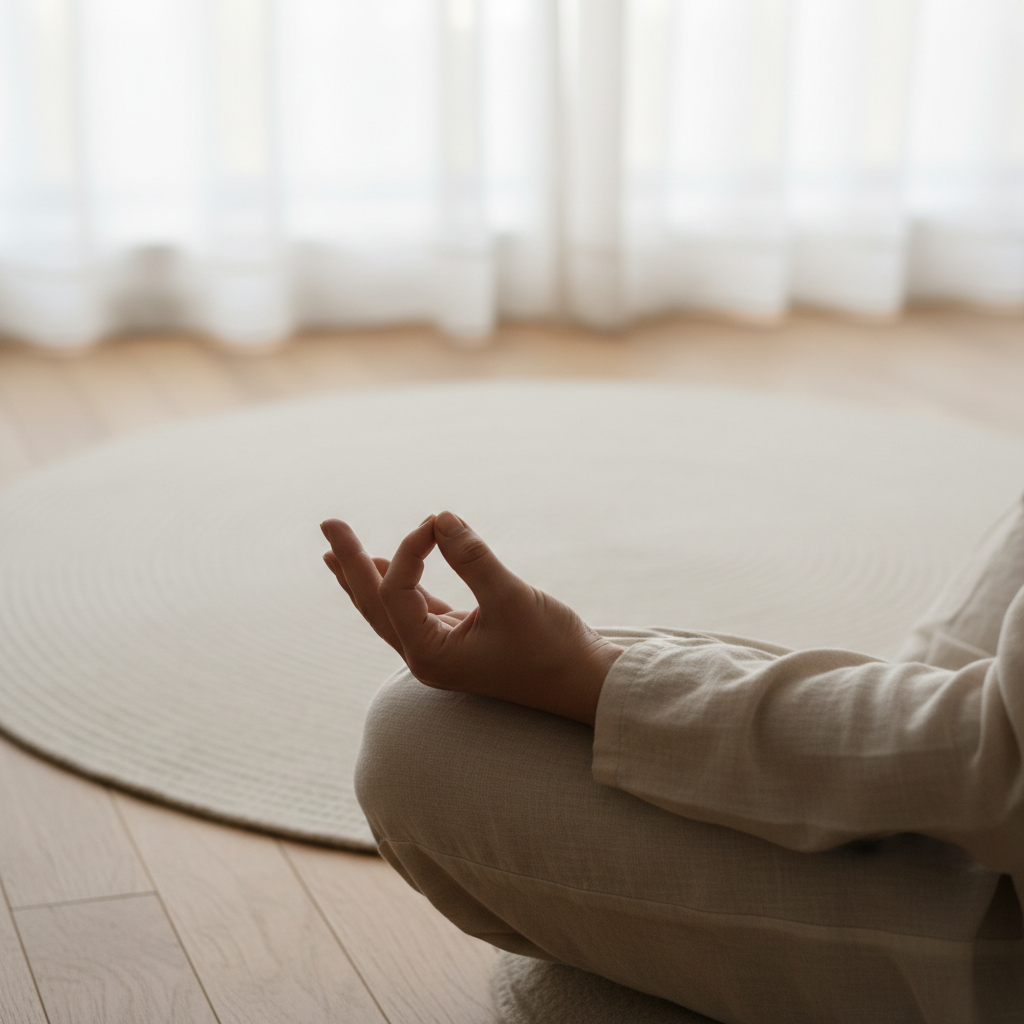
Meditation is a significant component of mindfulness yoga. It encourages practitioners to remain centered and aware of their breathing and physical state. This meditative aspect helps individuals develop a deeper connection with their inner self, promoting emotional resilience and a calm mind.
Mindfulness yoga sessions typically begin and end with meditation, ensuring a holistic experience. This integration helps in grounding the practice and enhancing the overall benefits.
Exploring Traditional Yoga
Traditional yoga has its roots in ancient Indian philosophy and incorporates a comprehensive system of practices, including asanas (postures), pranayama (breathing techniques), and meditation. It aims to create a harmonious balance between the mind, body, and spirit.
Physical and Spiritual Aspects
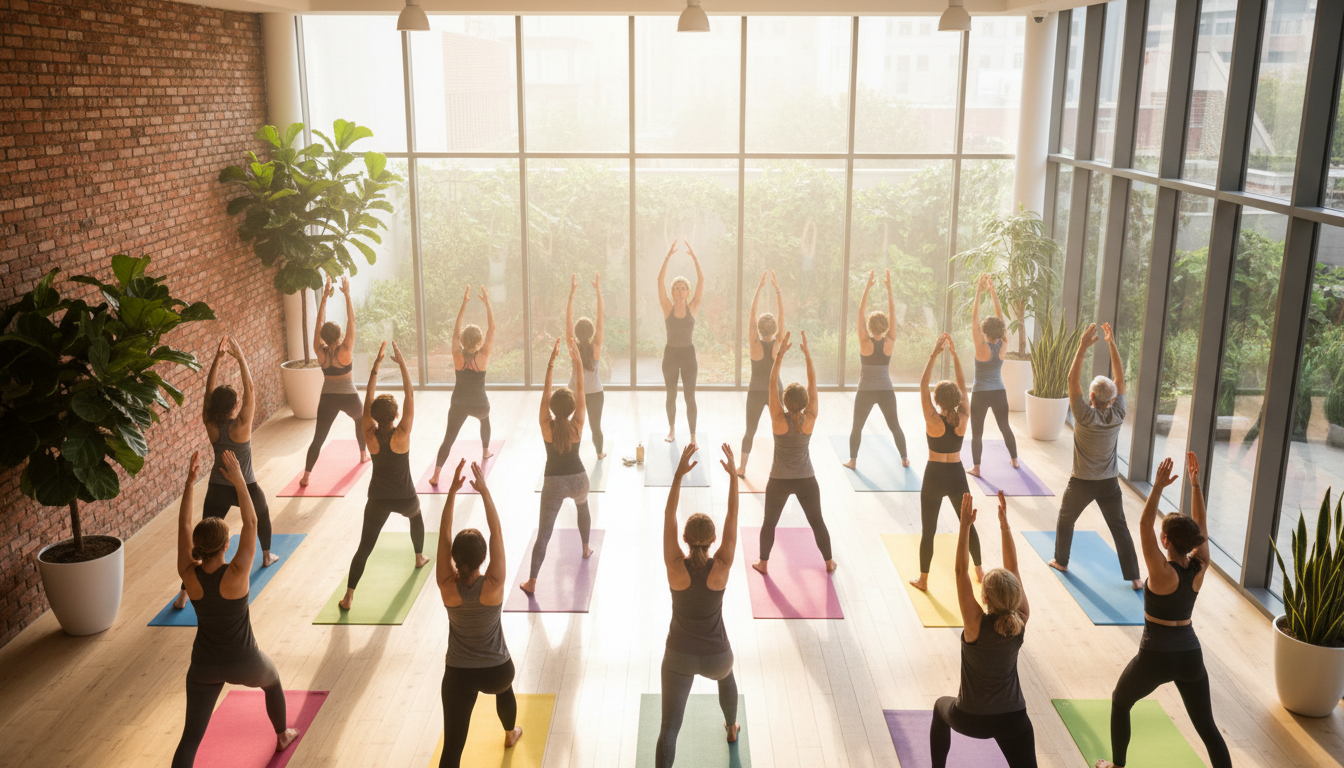
In traditional yoga, the physical practice is just one aspect of a broader spiritual journey. It involves a disciplined approach to self-development, with an emphasis on achieving enlightenment and self-realization. This form of yoga often includes chanting, rituals, and philosophical teachings.
Traditional yoga is typically structured, with each session following a specific sequence of poses and practices designed to align with spiritual teachings.
Key Differences Between the Two
While both mindfulness yoga and traditional yoga offer numerous benefits, they differ in their primary focus and approach. Here are some key differences:
- Focus: Mindfulness yoga emphasizes present-moment awareness, while traditional yoga often emphasizes spiritual growth and enlightenment.
- Structure: Traditional yoga follows a more rigid structure, whereas mindfulness yoga is more flexible and adaptable.
- Components: Mindfulness yoga heavily incorporates meditation, while traditional yoga balances meditation with physical and spiritual elements.
Choosing the Right Practice
When deciding between mindfulness yoga and traditional yoga, consider your personal goals and preferences. If you're seeking stress relief and improved mental clarity, mindfulness yoga might be the better choice. However, if you're interested in a more holistic approach that includes spiritual growth, traditional yoga could be more suitable.
Ultimately, both practices offer unique benefits and can complement each other. Exploring both can lead to a well-rounded yoga experience.